
There are many shapes and sizes of diamonds, but whatever the shape or size, the cut is the only human element. A diamond cut to good proportion will have more value than one which is not. A ROUND BRILLIANT CUT Diamond is the most popular round shape diamond as illustrated below. It has 57 total number of facets. In case its culet is also been cut & polished, then its facet count will be 58. However, there are other shapes like Baguette, Tappers, Pear, Marquise, Oval, Emerald, etc.
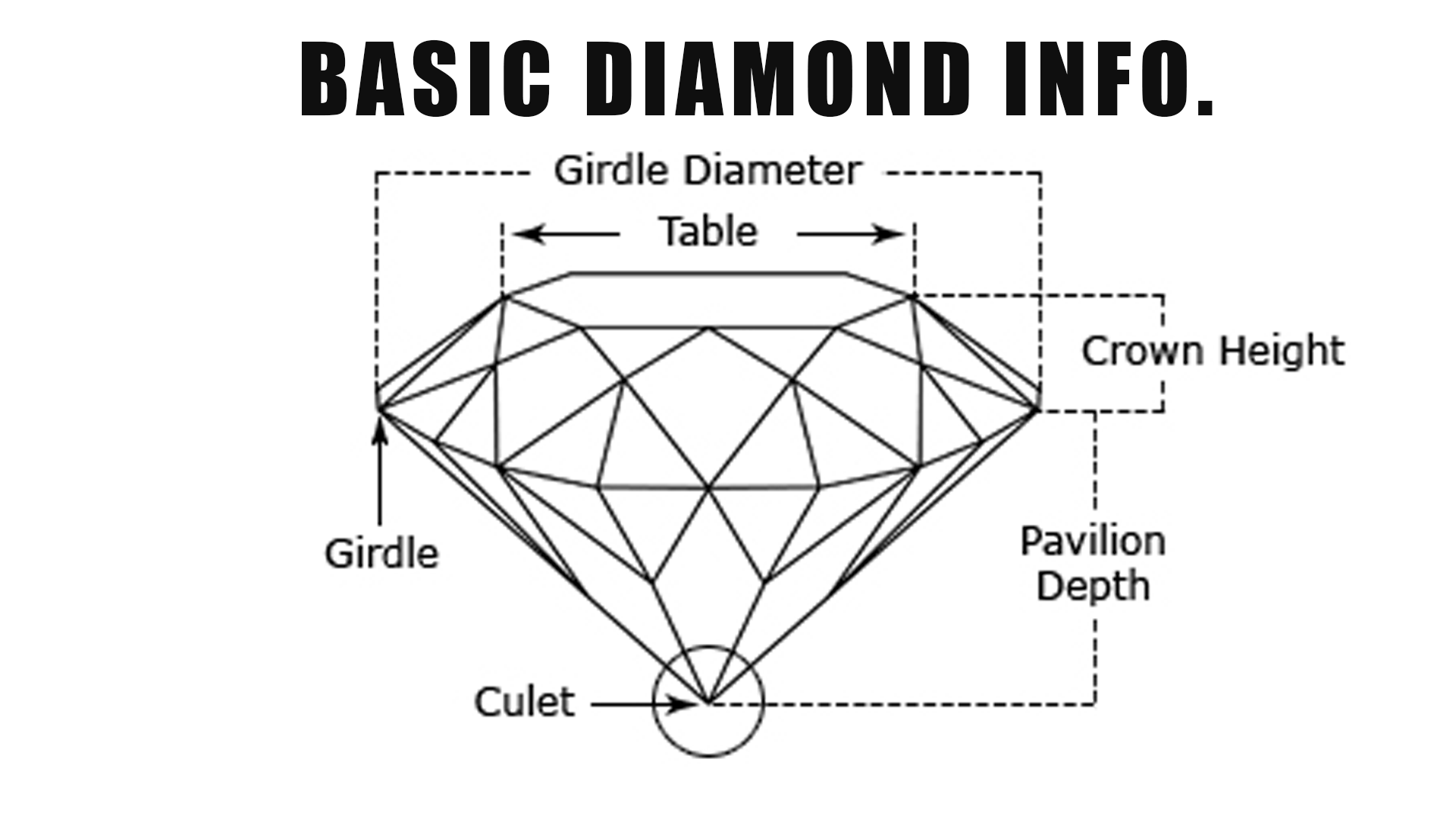
Diamonds are primarily found in the mother rock called Kimberlite or Lamproite. Diamonds first became known from India and it was from the old Indian mines which is also the source of the popular and historically large diamonds such as KOHINOOR (A Crown Jewel of the Queen of England).
The quality and value of a Diamond is based on the 4C's of a diamond, namely CUT, COLOUR, CLARITY, CARAT.
DIAMOND CUT
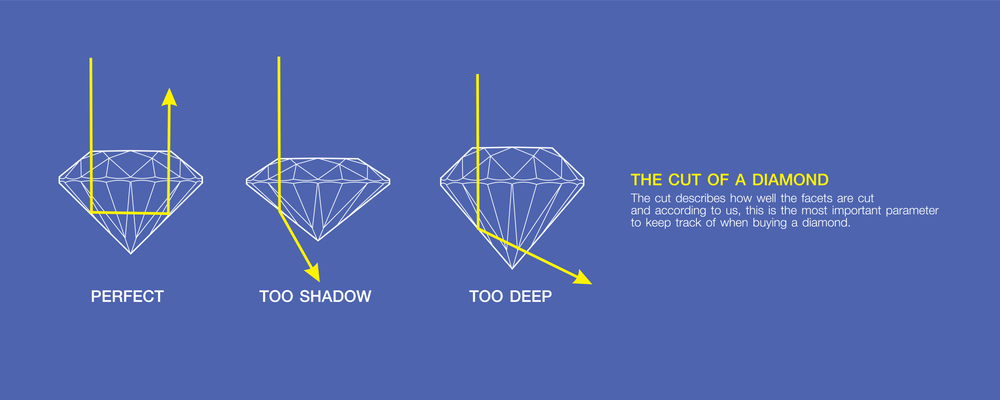
Diamond Cut is one of the most crucial elements to consider when selecting a diamond. A cut refers not to the shape of a diamond, but the balance of proportion, symmetry, alignment, and polish of its facets that is achieved by the diamond cutter.
The extent of how well the diamond is cut is directly correlated to the diamond's overall beauty. The better it has been cut, the greater will be its brilliance, sparkle, or luster.
So a well-cut diamond is comprised of facets with the correct angles, which are perfectly placed to maximize the diamond's brilliance. It is the quality of the cut and its final polish that unlocks the hidden beauty. Diamond cutting is the only aspect of a diamond that has human influence, whereas its remaining aspects are completely natural and cannot have any human interference.
DIAMOND COLOUR
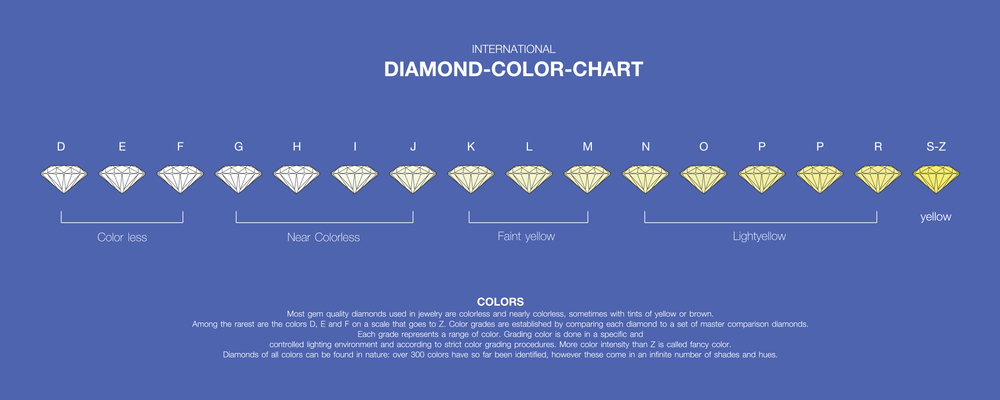
At Brilliant Earth, we carry colorless and near-colorless diamonds because they show the most brilliance and fire. While colorless diamond are rare and exquisite when set against lustrous white gold or platinum, nearly colorless diamonds are also a brilliant choice and can offer a great value.
It is often assumed that diamonds are completely clear, but since diamonds have trace elements in them, they can have subtle colors. While color is one of the four C's that jewelers use to rate diamonds, the colour is more about rarity and quality. Completely colorless diamonds are the rarest, which makes them valuable.
DIAMOND CLARITY
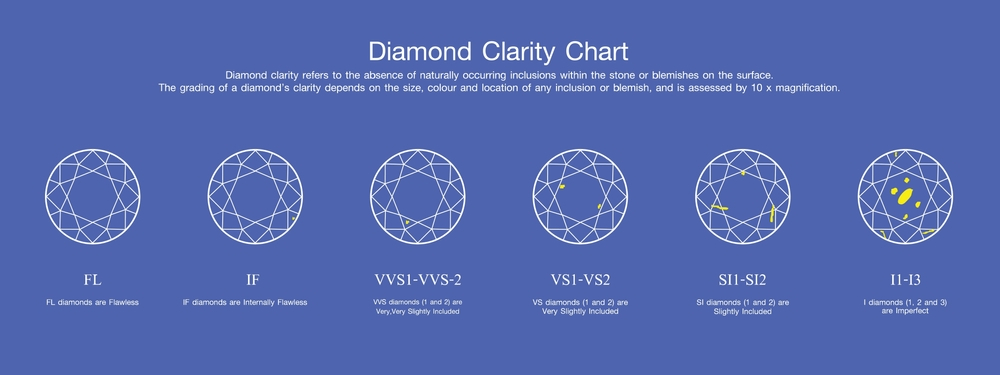
Diamond Clarity refers to the relative position of a diamond on a flawless to imperfect scale of inclusions and fewer inclusion mean the diamond will shine more brilliantly. When determining the optimum clarity for a diamond, keep in mind that no diamond is entirely pure. However, the closer it gets to purity, the clearer it becomes.
Natural diamonds are the result of carbon exposed to tremendous heat and pressure deep in the earth. The process can result in a variety of internal characteristics called 'inclusions' and external characteristics called 'blemishes'.
DIAMOND CARAT
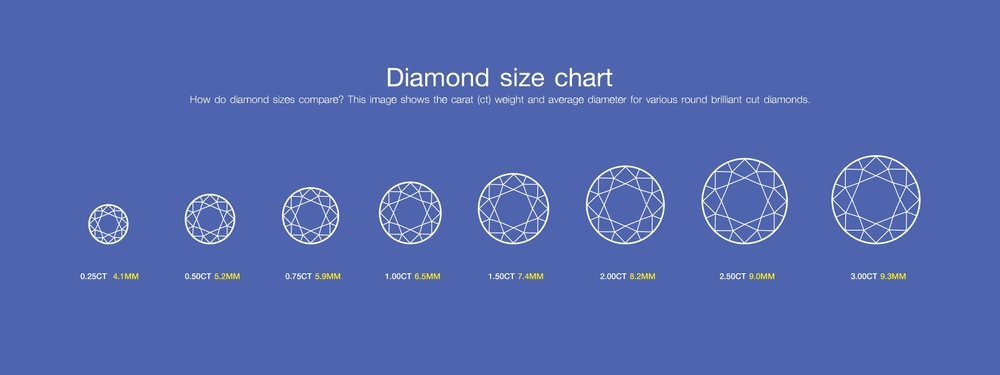
Diamond Carat weight is the measurement of how much a diamond weighs. A metric 'carat' is defined as 200 milligrams.
Each carat can be subdivided into 100 'Points'. This allows very precise measurements to the hundredth decimal place. A jeweler may describe the weight of a diamond below one carat by its 'Points' alone. For instance, the jeweler may refer to a diamond that weighs 0.25 carats as a twenty-five pointer.
Gemologists and jewelers also use a point system to refer to diamond carat weight. Here is how it works:
50 points = 0.5 carat
100 points = 1 carat
500 points = 5.0 carat.
DIAMOND CERTIFICATION
Each purchase from H&M Designs comes with a bonafide certification from government recognized Gemological Institute of India. It is the first institute in India in the field of Scientific Study of Gemstones & Diamonds. A project of the GEMS & JEWELLERY EXPORT PROMOTION COUNCIL (GJEPC), India. This certificate provides an assurance of Cut, Colour, Clarity of the diamonds as well as the complete Jewelry itself. It is the most trusted Diamond grading and jewelry certifying laboratory in India.

GEMSTONE GUIDE
About 200 known gemstones are there in the market. Some gemstones are salts which are cut from crystals that occur naturally. Their specimen should be rough and durable to survive to scrape and have stunning transparency, color or fire, to qualify as a gem. The cut hue, brightness, and scale of the gemstone that accounts for their purchase. Some popular gemstones are Garnet, Aquamarine, Emerald, Pearl, Ruby, Peridot, Sapphire, Topaz, Tourmaline, Amethyst, Citrine, among many others.
Garnet (January)
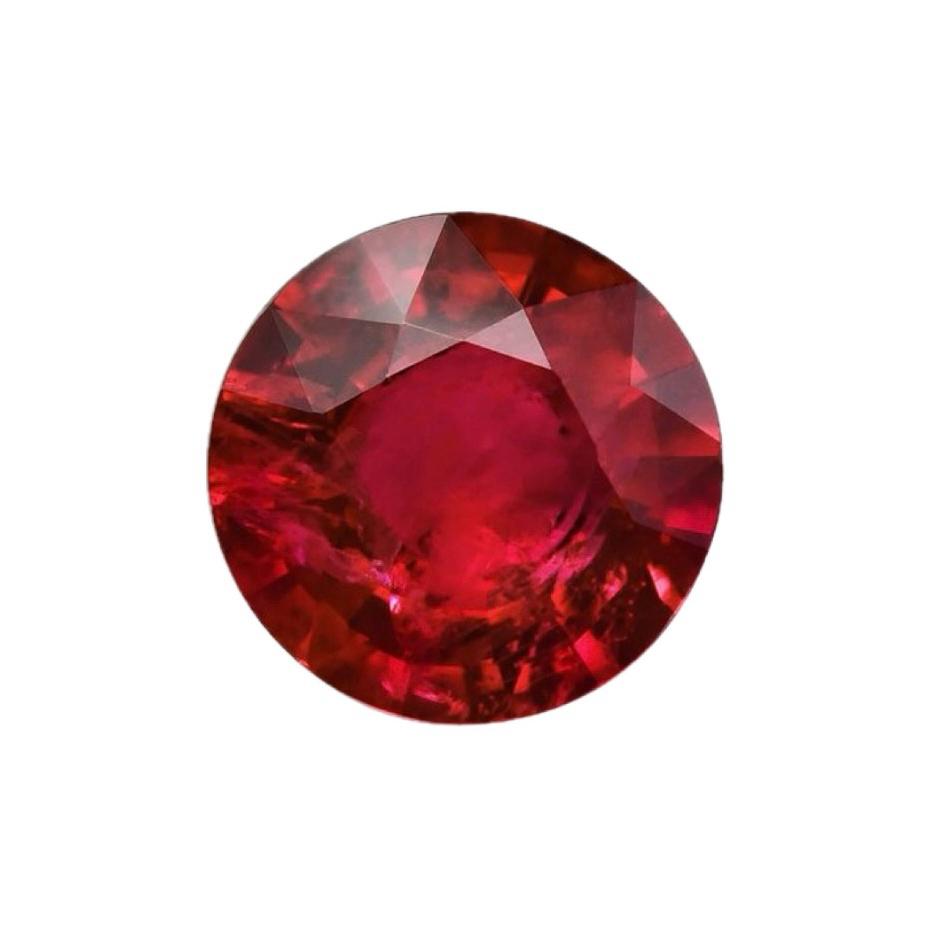
This gem is available in a bright rainbow, from the deep red Bohemian Garnet to the vivid Russian Demantoid and African Tsavorite Green. A garnet's different colors align with different forces and are known to assist with multiple problems: Red for zeal, self-confidence & imagination, Green for meditation and focus, Orange for dedication & Purple for emotional health.
Amethyst (February)
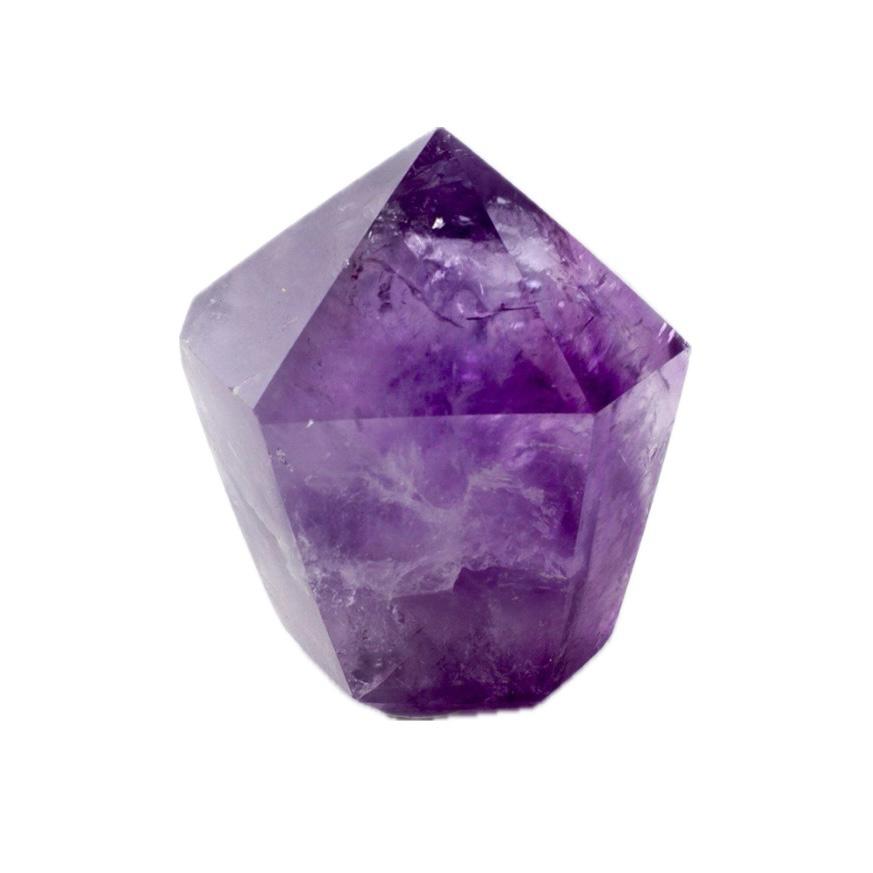
The Amethyst is a translucent quartz-type gemstone occurring in shades of purple or violet. In truth, the color purple for all gemstones is defined by the February birthstone. A much–coveted stone, for over millennia, Amethysts have been worn by the people of authority. The Amethyst is credited with several. Royalty and Class are often denoted by the dark purple hue.
Aquamarine (March)
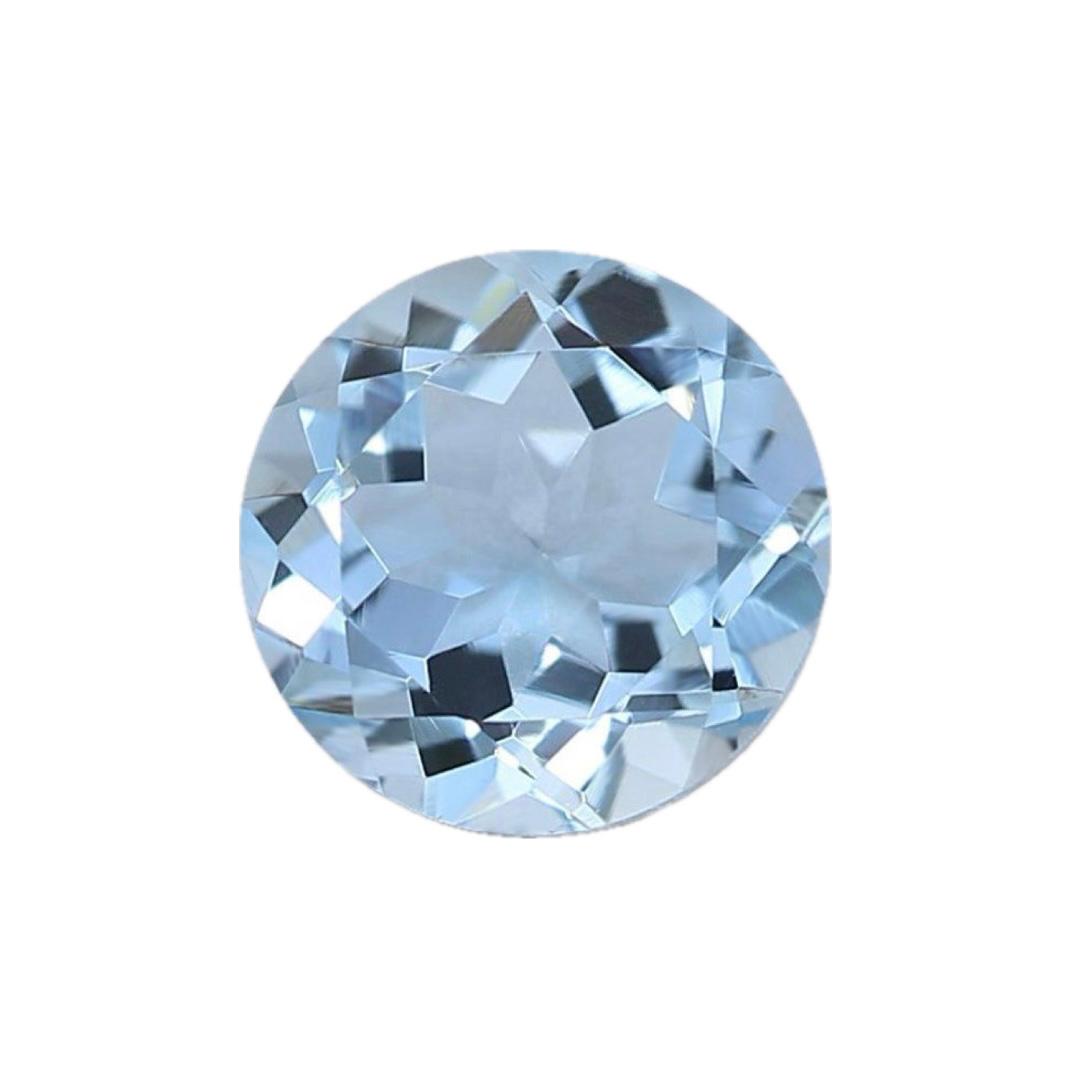
Aquamarine is an extremely translucent, semiprecious gemstone in the Beryl mineral family, light blue, for March; it is the common birthstone. Aquamarines can be found in a variety of blues, varying from pale pastel to a rich greenish–blue hue. With passing time, the darker shades of blue are becoming rarer and are growing in value. Aquamarine is also a gemstone made from pastel.
Diamond (April)
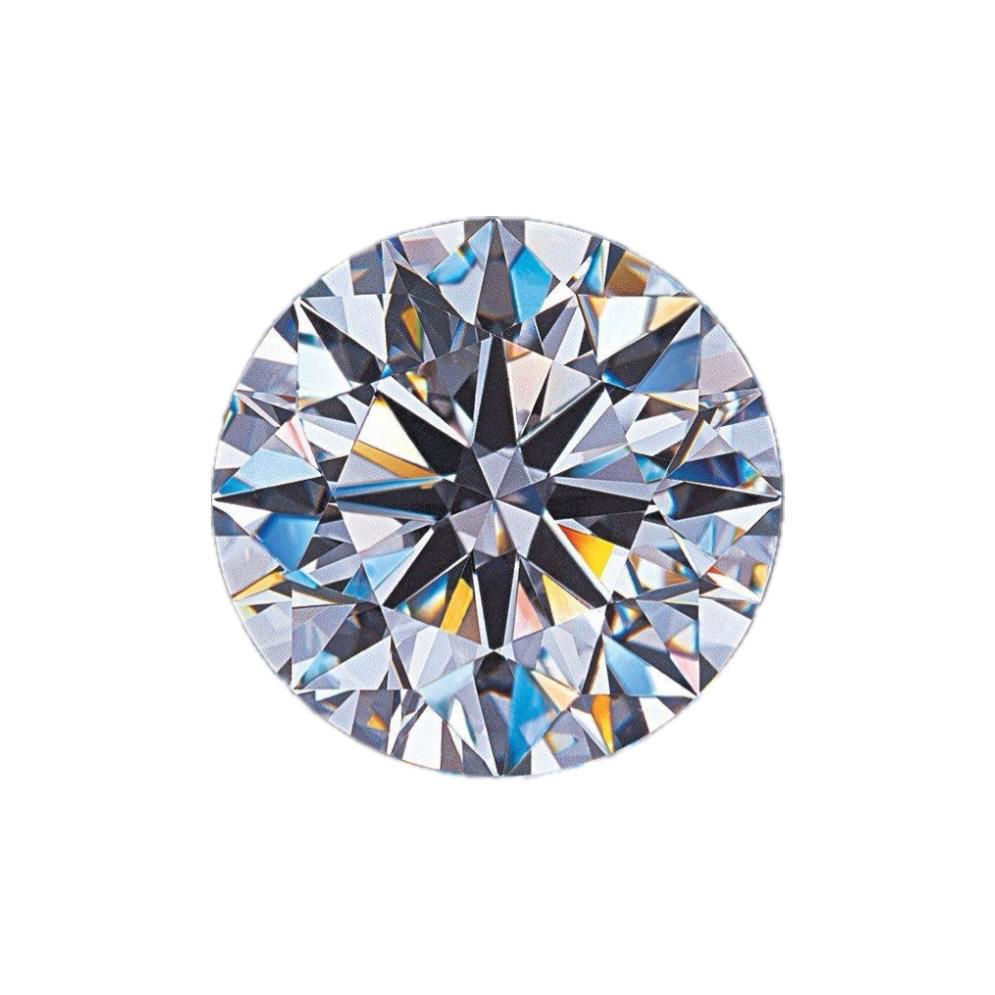
Diamond is the key gemstones shimmering, polished birthstone of April that adorns thousands of engagement rings every year. Wearing diamonds is also said to offer benefits such as harmony, transparency, and abundance. Diamonds come in several colors, from the most common colorless to the fanciest pink, blue, yellow, orange, green, and red. Fancy diamonds are less costly and rarer.
Emerald (May)
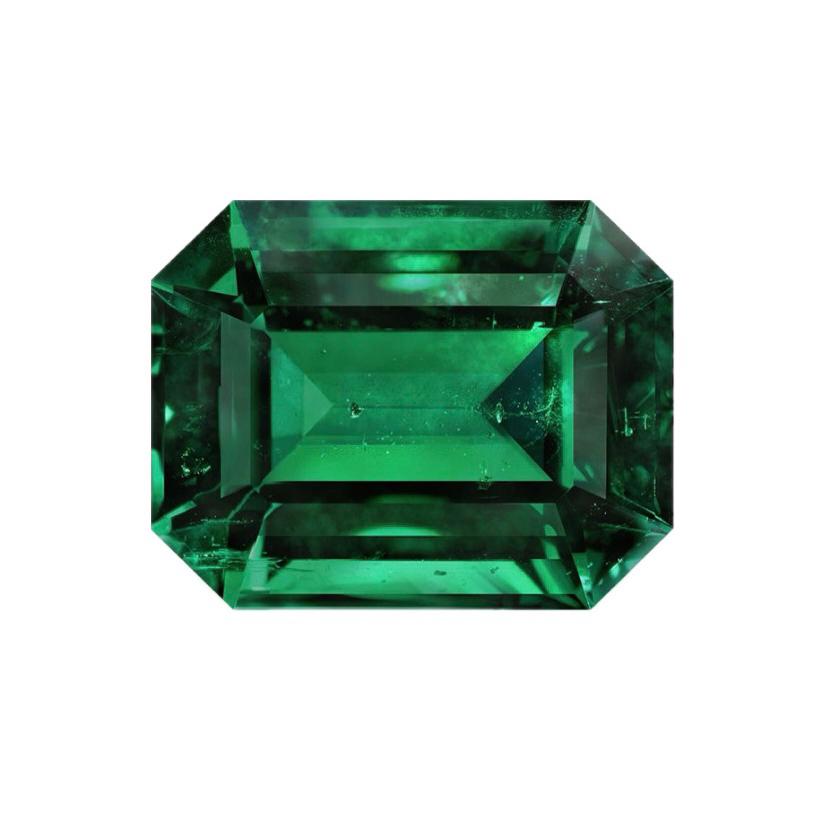
Pearl (June)
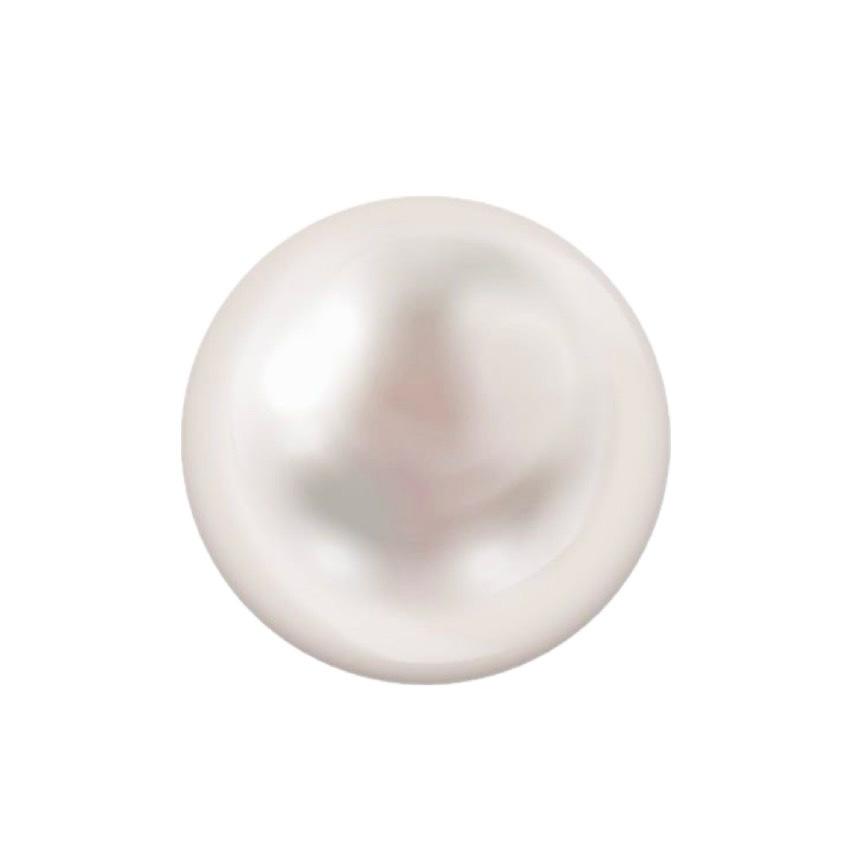
Pearls have long been linked to purity, modesty, and innocence. So it can be said that the June birthstone means "sweet simplicity." As such, pearls have historically been offered as a wedding gift. Although no pearl is flawless, the lower the surface imperfection, the higher the value.
Ruby (July)
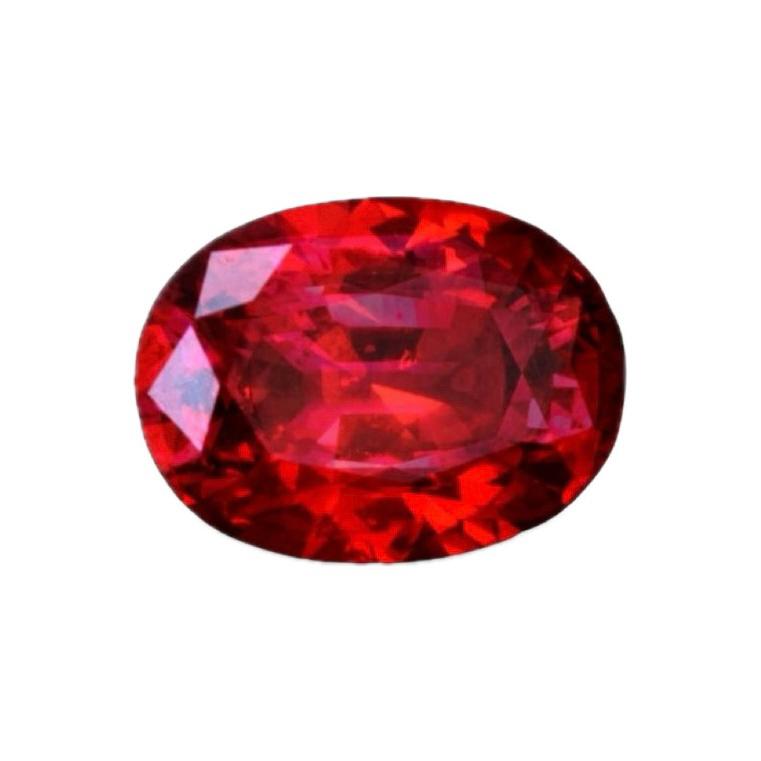
Ruby is the birthstone for the month of July. Many people born in the month of July are blessed to have ruby as an astrological gemstone for them, and after wearing it, any person can encounter greater benefits in their career. Ruby gets its color from trace quantities of the element chromium, a variation of the mineral corundum. The larger the amount of chromium, the stronger the red color of the gemstone.
Peridot (August)
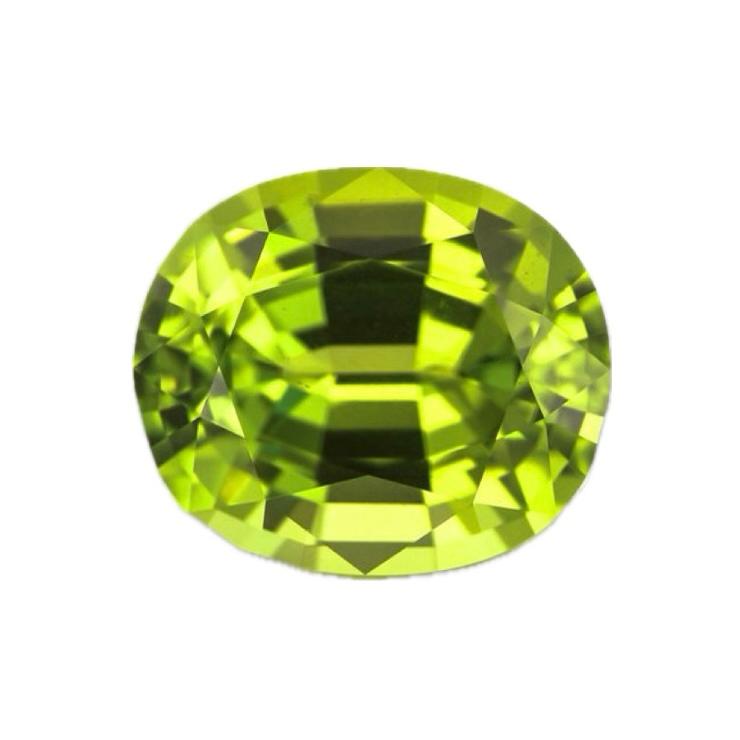
Peridot is a distinctive birthstone since it inherits a green hue with no other color at all. The color intensity depends on the amount of iron; the more iron it contains, the deeper it will be green. It is both a stone of the day and a stone of the night, maintaining its vivid color even under artificial illumination. It's sometimes called "Evening Emerald" for this reason.
Sapphire (September)
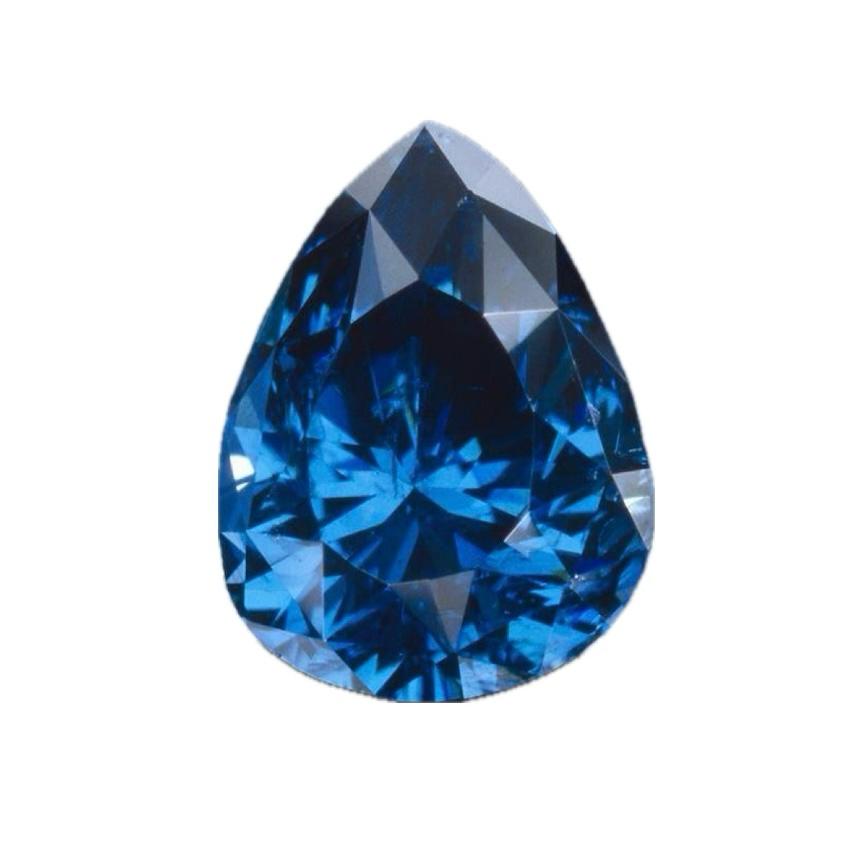
For many centuries, sapphire has adorned the royalty and the clergy's robes. The elite of ancient Greece and Rome believed that blue sapphires protected their owners from harm and envy. Sapphires are also present in other natural colors and shades - colorless, gray, yellow, pale pink, orange, green, purple, and brown - called fancy sapphires.
Tourmaline (October)
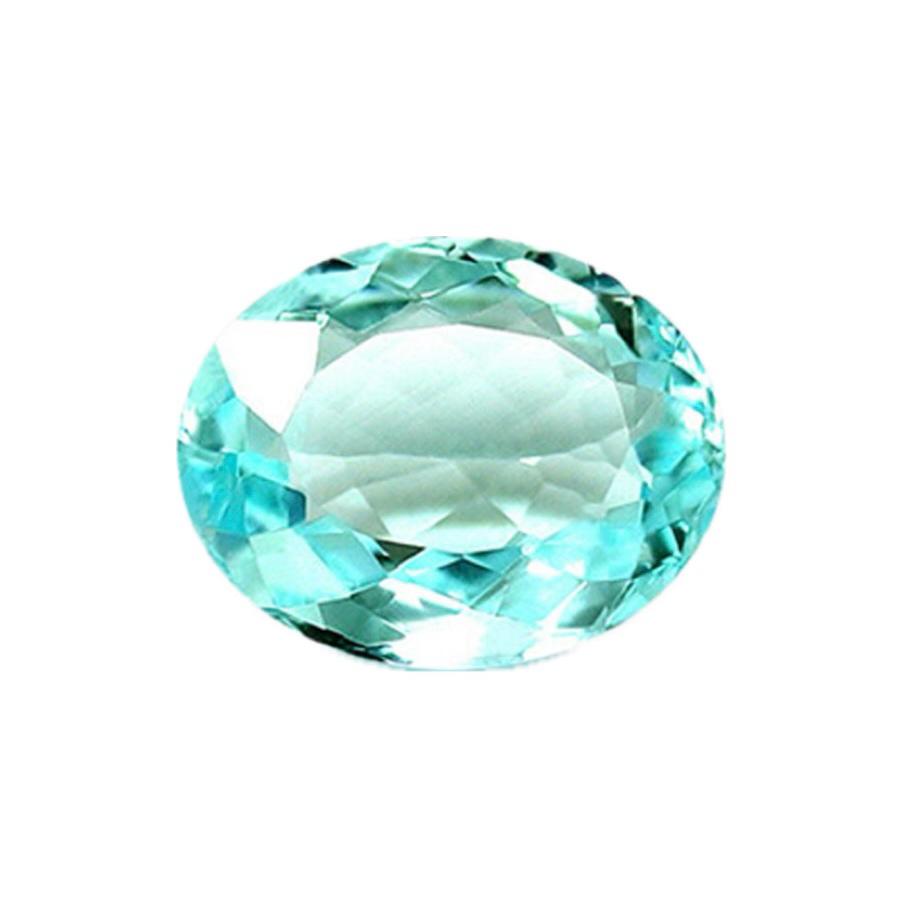
Tourmaline is an alternative birthstone for October, along with an opal. According to legend, the tourmaline was passing through a rainbow on its way up from the center of the earth, absorbing its colors along the way. Among the gemstones, tourmaline is available in the widest range of colors. The gemstone is known to prevent negative energy, protecting the person wearing it from any bad vibes.
Citrine (November)
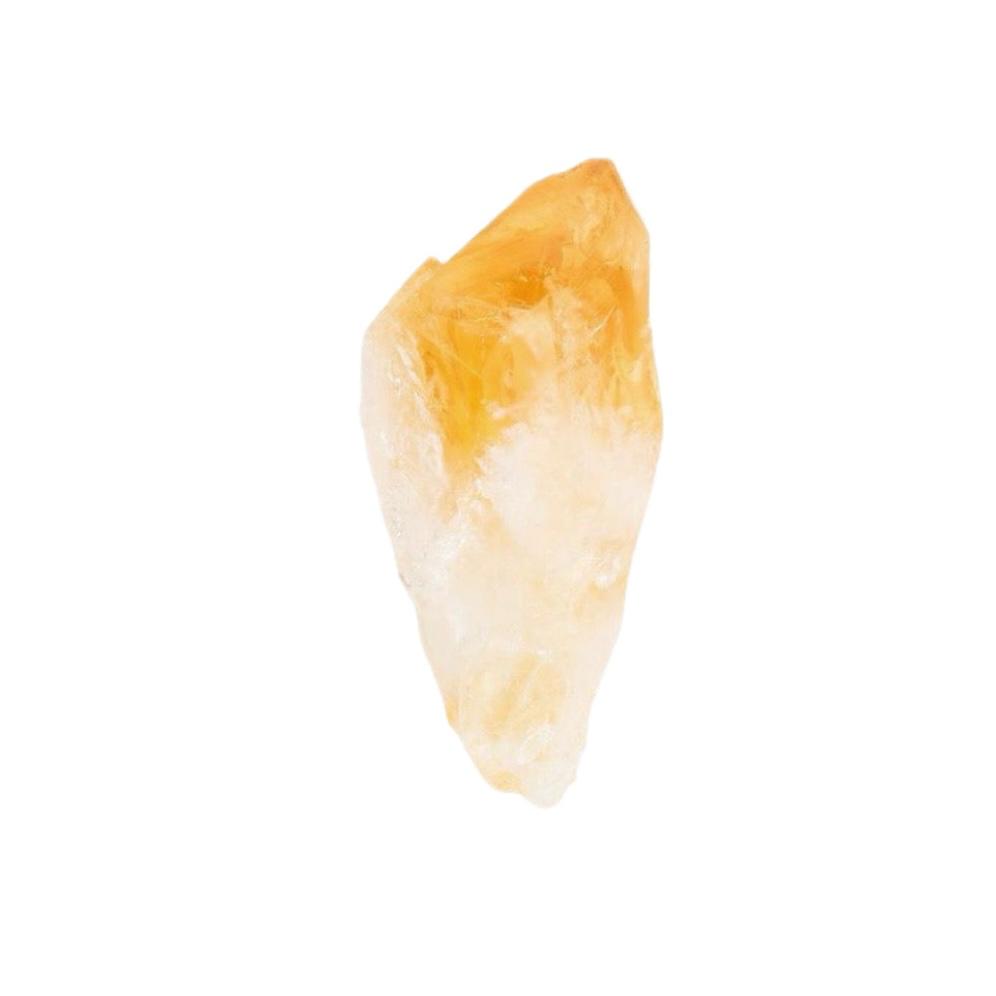
Citrine is the birthstone of those born in the month of November. The people wearing the citrine stone are considered to have the understanding of morality and law. Citrines range from the palest yellow to the dark amber known as Madeira almost touches red.
Topaz (December)
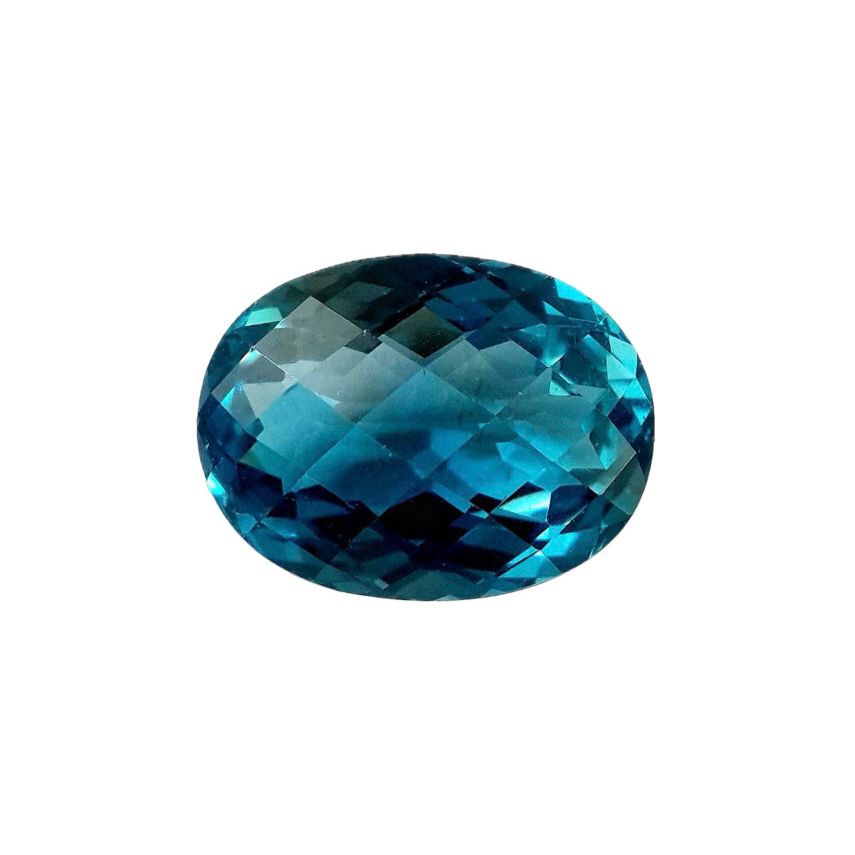
Blue Topaz is the birthstone for the people born in the month of December. This gemstone is believed to have a long life, elegance, and wisdom, and is also available in other shades. Most people remember this precious stone because of its stunning aqua-turquoise hue. The three main shades of the range are called London Blue, Sky Blue and Swiss.